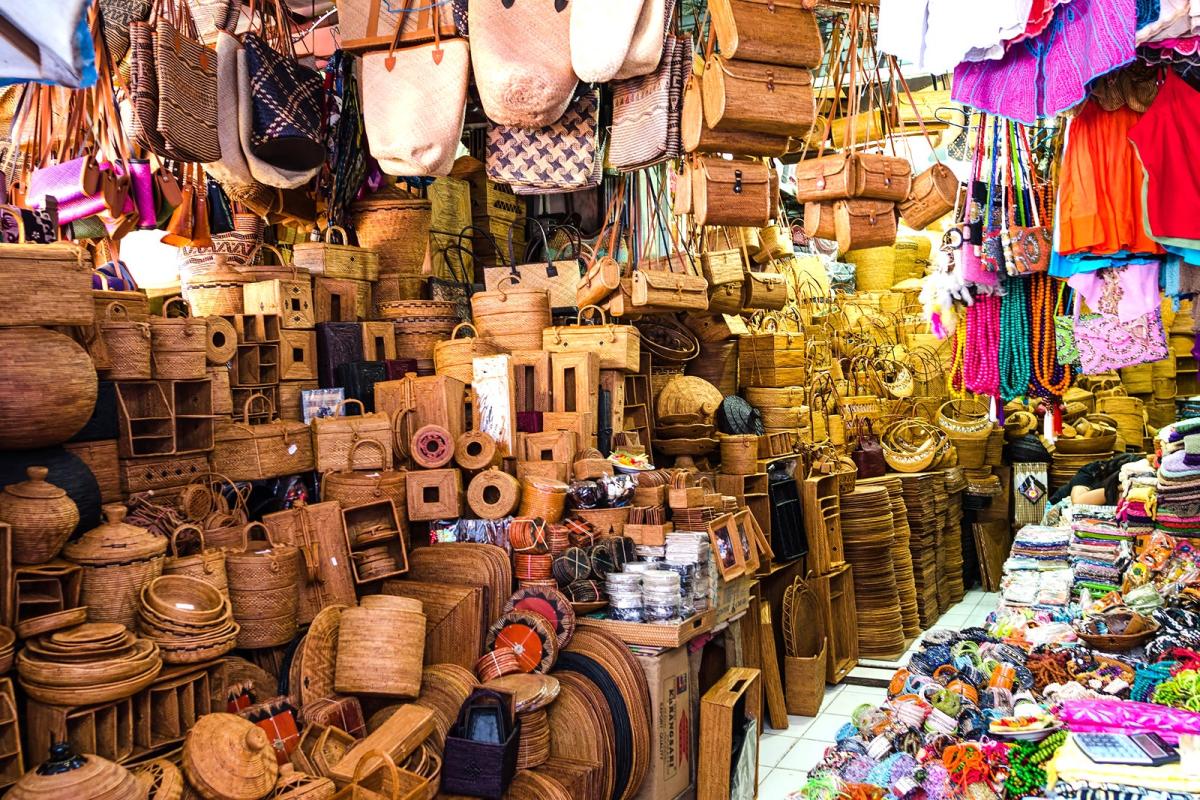
Micro, Small, and Medium-sized Enterprises (MSMEs) refer to business activities conducted by individuals, groups, small business entities, or households. These enterprises are the backbone of Indonesia’s economic structure, playing a pivotal role in job creation, income distribution, poverty alleviation, and grassroots economic empowerment. MSMEs significantly contribute to national economic growth, innovation, and regional development.
Legal Framework
MSMEs in Indonesia are protected and supported under several regulatory frameworks, including Presidential Decree No. 19 of 1998, and reinforced by subsequent laws and ministerial regulations. These frameworks aim to ensure legal certainty, access to financial services, and a conducive business environment for MSMEs to grow and thrive.
Prominent Sectors of MSMEs in Indonesia
Indonesia has seen the flourishing of MSMEs across diverse sectors, including:
-
Culinary businesses (street food vendors, small restaurants, catering services)
-
Fashion and textiles (tailoring, batik production, retail clothing)
-
Agriculture (farming, agribusiness, horticulture)
-
Electronics and repair services
-
Furniture and handicrafts
-
Various service industries, including transportation, education, digital marketing, and tourism.
Historical Roots and Evolution of MSMEs in Indonesia
MSMEs have a deep-rooted history in the Indonesian economy. Their evolution is tied closely to the country’s cultural, social, and economic development:
-
Barter-Based Origins
Long before the introduction of currency, trade in Indonesia was conducted through barter. MSMEs played a key role in the exchange of goods and services, contributing to early forms of local economic systems. -
Pre-Colonial Economic Dominance
Prior to the expansion of colonial rule, MSMEs dominated Indonesia’s economy. They were the primary sources of livelihood for many communities and often operated in informal settings such as markets and traditional bazaars. -
Marketplaces as Economic Hubs
Traditional markets served as centers of commerce where MSMEs engaged in the trade of agricultural produce, livestock, fishery products, home-made crafts, and textiles. These markets helped shape a community-driven economy. -
Post-Colonial Growth and Modernization
After independence, industrialization gradually led to the growth of larger industries. However, MSMEs remained relevant and adaptable, continuing to support local economies and absorbing the labor force that the formal sector could not accommodate. -
Contemporary Significance and Spread
Today, MSMEs exist in both urban centers and remote rural areas. Their resilience highlights the entrepreneurial spirit of Indonesians and their ability to sustain livelihoods despite limited access to formal employment opportunities.
Government Support and Initiatives
The Indonesian government recognizes the strategic importance of MSMEs and supports them through various programs and initiatives, including:
-
Access to credit and micro-financing
-
Capital assistance and business development grants
-
Training and mentorship programs
-
Tax incentives and regulatory simplification
-
Digital transformation initiatives to promote MSME inclusion in the digital economy.
Conclusion
MSMEs are not only vital contributors to Indonesia’s GDP and employment but also reflect the culture, creativity, and resourcefulness of its people. With ongoing support from the government, private sector, and community-based institutions, MSMEs in Indonesia are well-positioned to thrive in the era of globalization and digital transformation.