The Role of Traditional Culture in Indonesia’s Culinary Identity
Indonesia is a nation renowned for its extraordinary cultural diversity, with over 17,000 islands and hundreds of ethnic groups. This rich mosaic of cultures is vividly reflected in the country’s culinary identity. Traditional culture plays a fundamental role in shaping Indonesian cuisine, making it a powerful expression of local pride, heritage, and community values.
Culinary Diversity as a Mirror of Cultural Richness
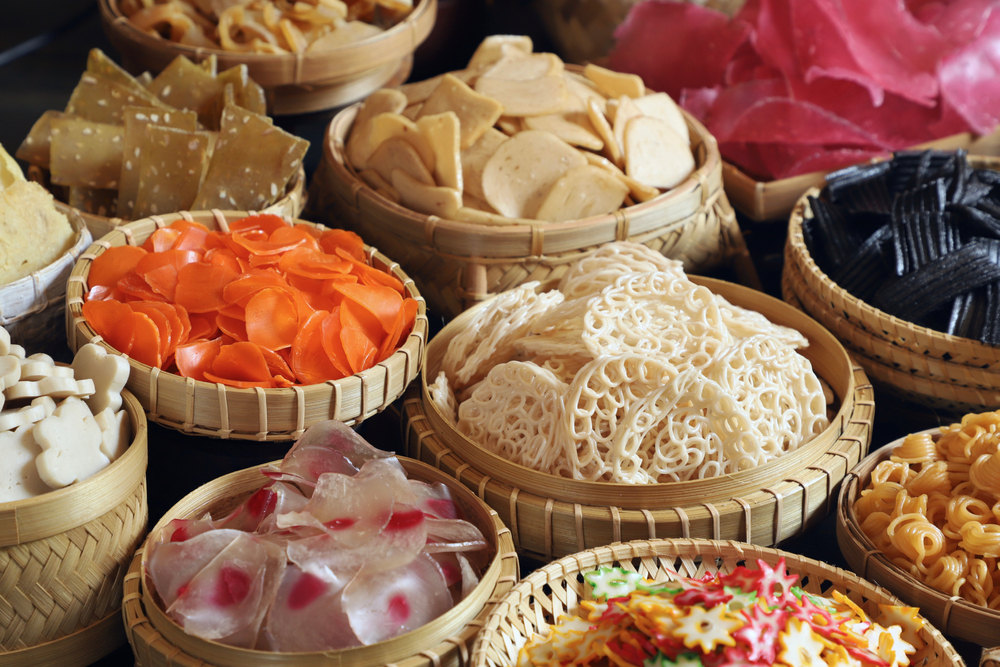
Indonesia’s traditional cuisine is deeply intertwined with its cultural landscape. Each ethnic group and region has its own distinct food traditions, ingredients, cooking methods, and flavor profiles that have been passed down through generations. From the spicy Padang cuisine of West Sumatra to the sweet and aromatic Javanese dishes, Indonesian food represents a living archive of cultural history.
The diversity in Indonesian cuisine showcases how different cultural influences—from indigenous tribes, Hindu-Buddhist kingdoms, Islamic traditions, to Dutch colonial presence—have merged and evolved. This fusion enriches culinary practices, creating unique dishes that tell stories of migration, trade, and adaptation.
Food as Cultural Identity and Local Pride
Traditional food is much more than sustenance in Indonesia; it is a symbol of identity and a source of communal pride. Preparing and sharing traditional dishes during ceremonies, festivals, and family gatherings reinforces cultural bonds and affirms a community’s heritage.
For example, in Bali, the preparation of offerings and special dishes like Babi Guling (suckling pig) is deeply rooted in Hindu religious practices and local customs. Similarly, the Rendang dish from Minangkabau is not just a culinary delight but a representation of the community’s values of patience, perseverance, and hospitality.
Food also acts as a medium to educate younger generations about their culture. Traditional recipes and cooking techniques are taught within families and communities, preserving intangible cultural heritage and ensuring that local wisdom continues to thrive.
The Role of Ingredients and Traditional Methods
Indonesia’s culinary identity is also shaped by its abundant natural resources and traditional agricultural practices. Indigenous ingredients such as coconut, turmeric, galangal, tamarind, and chili peppers form the backbone of many recipes. These ingredients are often sourced locally, emphasizing sustainability and a connection to the land.
Traditional cooking methods—such as grilling over open flames, steaming in banana leaves, fermenting, and slow-cooking—enhance the flavors and textures of Indonesian dishes. These methods are passed down through generations and are integral to maintaining authenticity.
Culinary Tourism and Cultural Preservation
In recent years, the global rise of culinary tourism has spotlighted Indonesian traditional cuisine, encouraging both locals and visitors to appreciate the country’s food heritage. Food festivals, cooking classes, and cultural tours provide platforms to celebrate and preserve culinary traditions.
Moreover, the Indonesian government and various organizations are increasingly recognizing the importance of traditional cuisine as part of national identity and cultural diplomacy. Initiatives to document recipes, promote local food products, and support small-scale producers help sustain culinary diversity amid modernization and globalization.
Challenges and Opportunities
While traditional Indonesian cuisine remains vibrant, it faces challenges such as urbanization, changing lifestyles, and the dominance of fast food culture. There is a risk that younger generations may become less connected to their culinary heritage.
However, these challenges also offer opportunities for innovation and revival. Young chefs and food entrepreneurs are creatively reinterpreting traditional recipes to suit modern tastes without losing their cultural essence. Digital platforms allow for wider sharing and appreciation of Indonesian food culture, fostering pride and continuity.
Conclusion
Traditional culture is at the heart of Indonesia’s culinary identity. It reflects the nation’s rich ethnic diversity, historical depth, and local pride. Through its vibrant food traditions, Indonesia tells a story of community, continuity, and creativity. Preserving and celebrating this culinary heritage is essential—not only to honor the past but to nourish future generations and share the nation’s cultural wealth with the world.